xvmachining

Machinery Manufacturing Industry

Machinery Manufacturing Industry

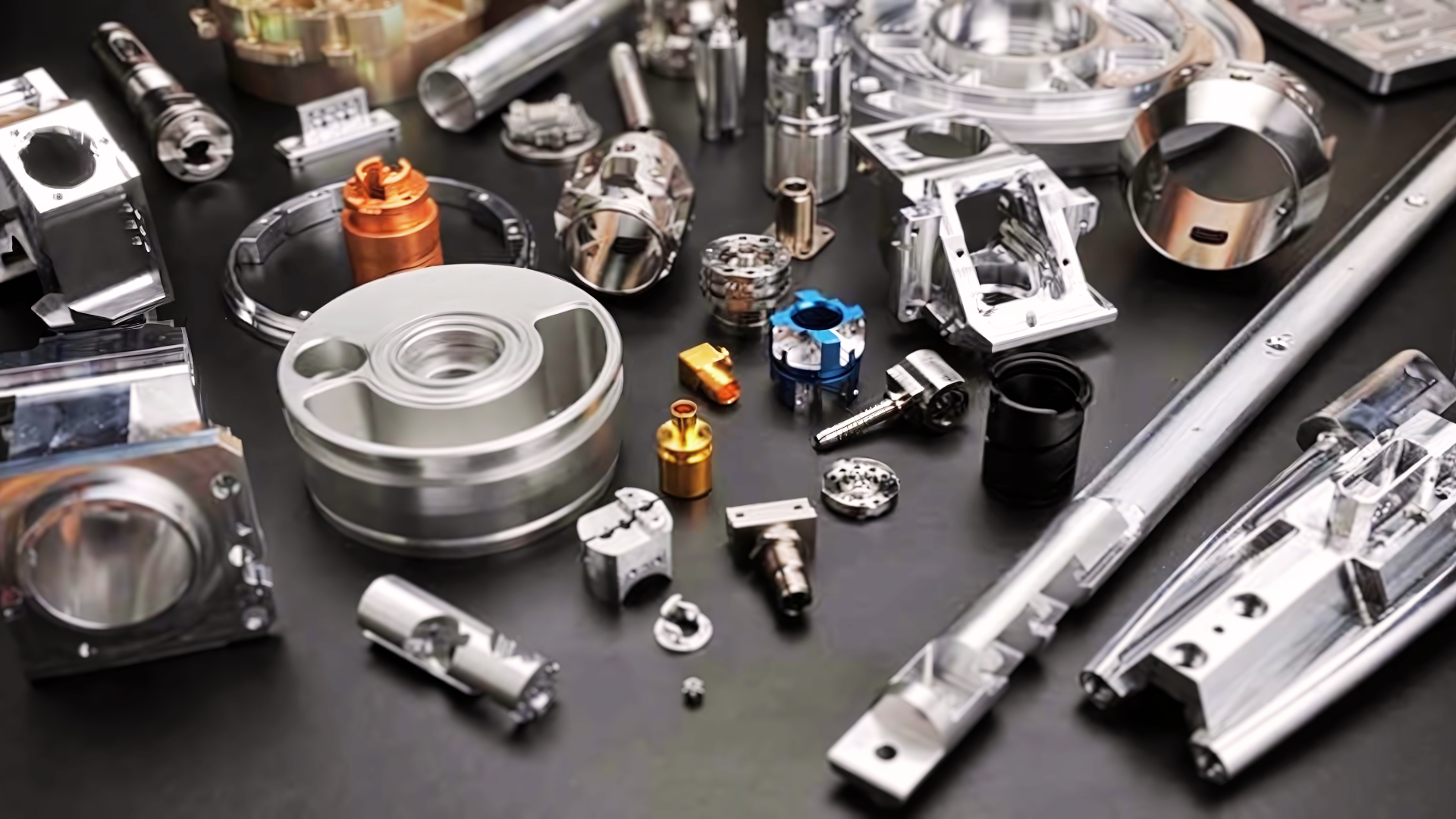
CNC (Computer Numerical Control) automated parts processing plays a critical role in the machinery manufacturing industry by enabling the production of high-precision, durable components used in a wide range of machines and industrial equipment. CNC technology allows manufacturers to produce complex parts with tight tolerances, high repeatability, and faster production speeds compared to traditional machining methods. The machinery manufacturing industry benefits from CNC machining’s versatility, enabling the production of everything from small components to large machine parts used in sectors like automotive, aerospace, agriculture, and heavy machinery.

Applications

  • Machine Components:
    CNC machining is used to manufacture precision components like gears, shafts, bearings, and housings for various industrial machines. These parts require high accuracy to ensure smooth operation and longevity of the machinery.

  • Tooling and Fixtures:
    CNC machines produce custom tooling, jigs, and fixtures that are essential for the efficient operation of production lines and manufacturing systems. These tools help improve precision, efficiency, and safety in industrial processes.

  • Hydraulic and Pneumatic Components:
    CNC machining is crucial for producing components used in hydraulic and pneumatic systems, such as cylinders, pistons, valves, and manifolds. These parts need to meet exact specifications to ensure proper fluid or air control in industrial machinery.

  • Heavy-Duty Machinery Parts:
    Large CNC machines are employed to create parts for heavy-duty machinery, such as construction equipment, mining machinery, and agricultural machinery. These components must be made from high-strength materials and machined to withstand harsh operating environments.

  • Prototyping and Custom Machine Parts:
    CNC technology is widely used for creating prototypes and custom machine parts for specialized applications. This allows engineers to test designs, make adjustments, and produce bespoke components for unique machinery requirements.

  • Automation and Robotics Systems:
    CNC machining is essential for producing precision parts used in automation systems and industrial robots. These components, including robotic arms, joints, and end effectors, must be manufactured with tight tolerances to ensure proper functionality and integration in automated manufacturing processes.

Questions? You’re covered

If you have any questions please email me.

01. What materials are commonly used in CNC machining for machinery manufacturing?

CNC machining in the machinery manufacturing industry typically works with a variety of materials, including steel, stainless steel, aluminum, titanium, brass, and specialized alloys. These materials are selected based on their strength, durability, and resistance to wear and tear.


CNC machines are programmed to follow precise instructions, allowing for tight tolerances and repeatable accuracy. Advanced technologies like in-process monitoring, feedback systems, and high-precision cutting tools ensure that each part is manufactured to exact specifications.

CNC machining offers several advantages for heavy-duty machinery parts, including the ability to machine hard materials, produce complex geometries, and maintain consistent quality in large-scale production. This is essential for creating durable components that can withstand demanding operating conditions in industries like construction and mining.

CNC machining improves cost efficiency by reducing waste, increasing production speed, and minimizing human error. The automated nature of CNC machining allows for high-volume production with consistent quality, reducing the need for rework and ensuring more efficient use of materials and resources.

Yes, CNC machining is highly adaptable and can produce custom and prototype parts tailored to specific machinery requirements. This capability is crucial for R&D projects and for producing unique components for specialized industrial applications that are not available off the shelf.

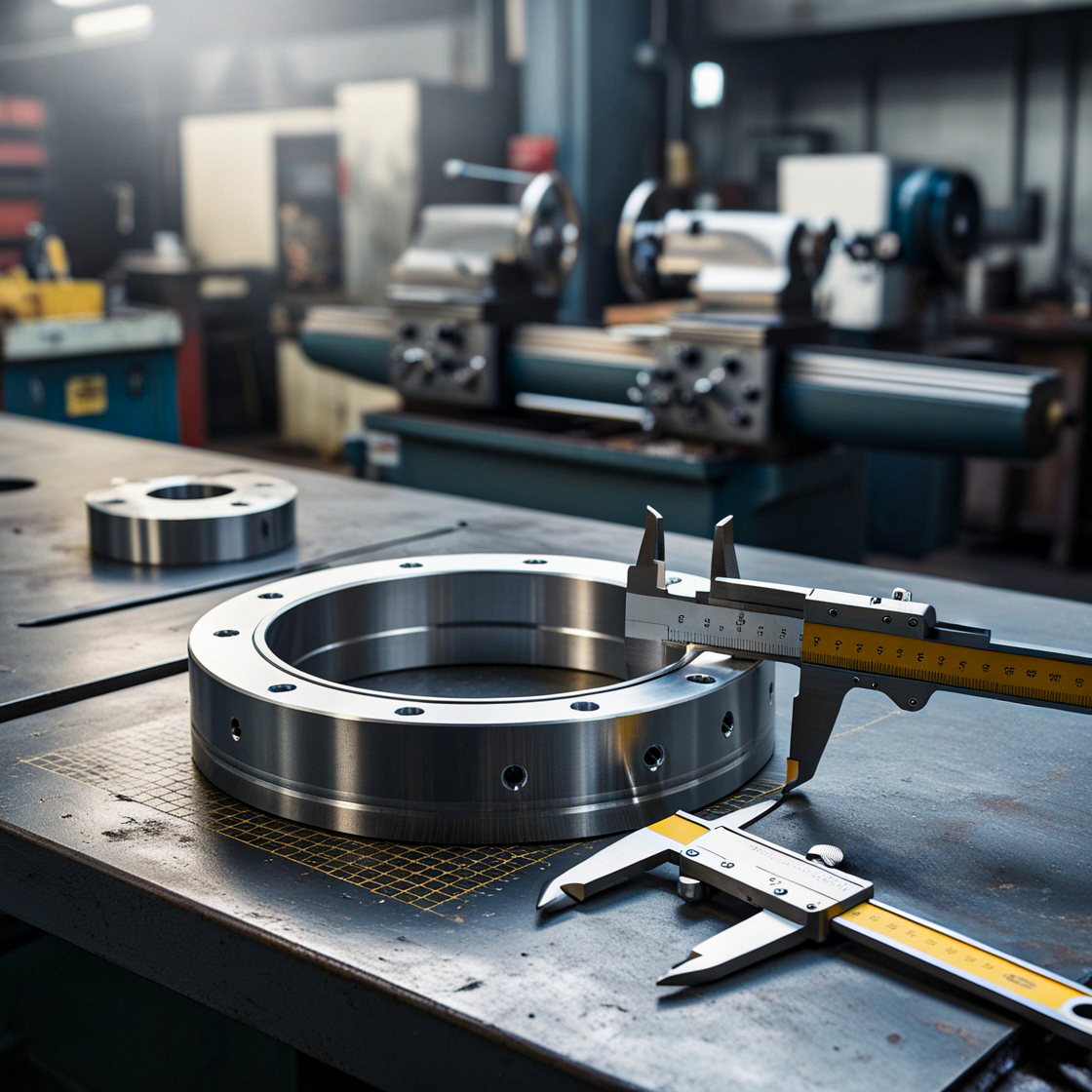
Quality control in CNC machining for machinery parts involves rigorous inspections, including dimensional checks with coordinate measuring machines (CMM), surface finish assessments, and functional testing. These measures ensure that all parts meet the required specifications and performance standards, ensuring the reliability and safety of the final product.

We are always ready to help you and answer your questions

Our Services

Have a
project in
mind?