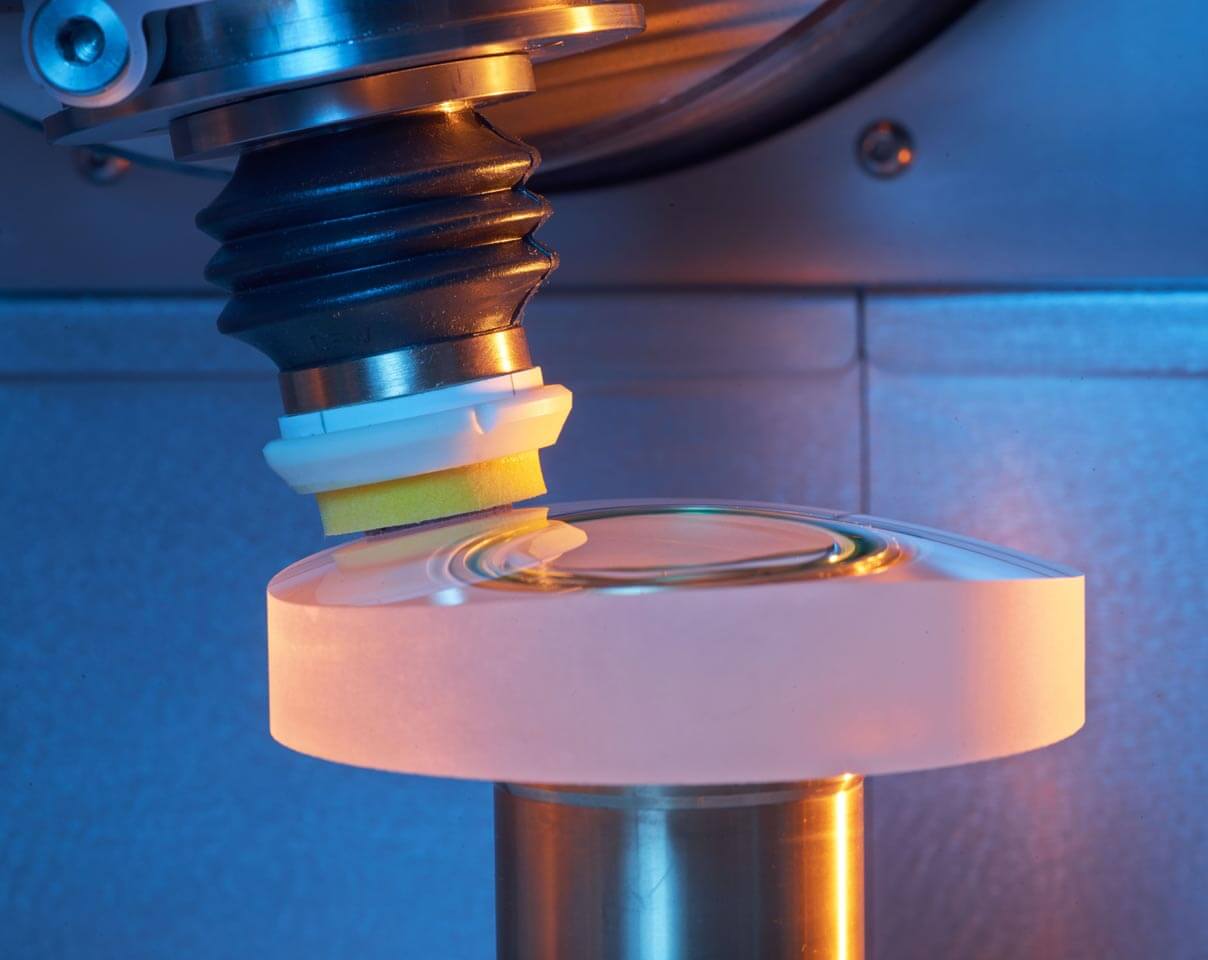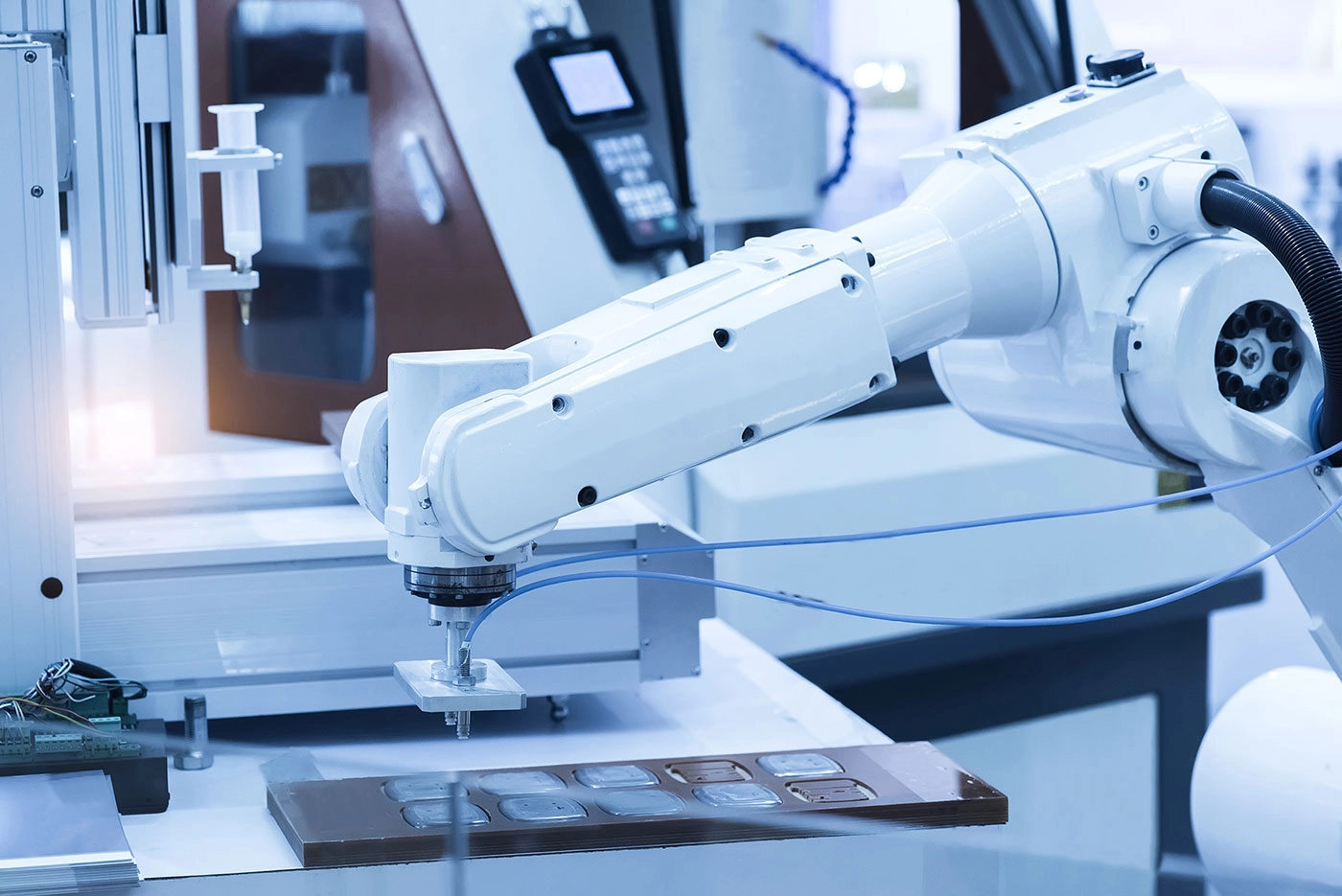
CNC (Computer Numerical Control) automated parts processing plays a vital role in the optical instrument industry, where precision and accuracy are critical for producing high-performance components used in devices such as cameras, microscopes, telescopes, lasers, and medical optical equipment. The ability of CNC machining to manufacture intricate parts with tight tolerances ensures that optical instruments deliver the high-quality imaging and measurement required in fields like healthcare, research, manufacturing, and consumer electronics.
Lens Holders and Mounts:
CNC machining is used to manufacture precision lens holders, mounts, and brackets that secure optical lenses in place. These components must be made with exact tolerances to ensure proper alignment and positioning, which is crucial for optical performance.
Optical Housings and Enclosures:
CNC-machined housings protect sensitive optical components such as lenses, mirrors, and prisms from dust, moisture, and other environmental factors. These enclosures are used in cameras, laser systems, and other optical instruments, and they must be durable and lightweight, while ensuring structural integrity.
Mirror and Prism Holders:
CNC machines are essential for producing custom holders and fixtures for mirrors and prisms used in optical instruments. These parts require extremely high precision to ensure proper reflection and refraction of light in devices such as telescopes and spectrometers.
Precision Alignment Components:
Many optical instruments require components such as adjustment screws, knobs, and alignment tools to ensure precise control over the positioning and calibration of lenses, mirrors, or other optical elements. CNC machining allows for the production of these parts with high accuracy and smooth operation.
Optomechanical Assemblies:
CNC machining is used to produce complex optomechanical assemblies that integrate mechanical and optical components. These assemblies are found in high-end imaging devices, such as medical diagnostic equipment and laser systems, where precise alignment and movement are essential.
Custom Optical Parts and Prototypes:
CNC machining supports the rapid prototyping and production of custom optical parts, including experimental components for research or bespoke instruments for specialized applications. This allows optical instrument manufacturers to quickly iterate on designs and produce one-off or limited-production parts.
If you have any questions please email me.
CNC machining offers extremely high precision, often within microns, which is essential for manufacturing optical components that require exact dimensions and alignment. This ensures that lenses, mirrors, and other optical elements are positioned correctly for optimal performance in imaging and measurement devices.
CNC machines can process a wide range of materials commonly used in optical instruments, including aluminum, stainless steel, titanium, and specialized plastics such as polycarbonate and acrylic. These materials are selected for their strength, lightweight properties, and ability to withstand environmental conditions without affecting optical performance.
Quality control is a critical aspect of CNC machining for optical components. Advanced inspection methods, such as coordinate measuring machines (CMM) and optical scanners, are used to verify the accuracy and surface finish of each part. Additionally, in-process monitoring ensures that the machining process maintains consistent precision.
Optical components often require high-quality surface finishes to ensure smooth light transmission, reflection, or refraction. CNC machining allows for precise surface treatments, such as polishing, anodizing, or coating, to achieve the necessary level of smoothness and reflectivity.
Yes, CNC machining is ideal for producing custom optical components, including lens holders, mounts, and other bespoke parts designed for specific applications. The flexibility of CNC allows for rapid prototyping and small-batch production, making it suitable for research and specialized optical systems.
Lead times for CNC-machined optical components depend on the complexity of the design and the material used. However, CNC machining generally offers faster production compared to traditional manufacturing methods, particularly when combined with rapid prototyping for testing and adjustments. This enables manufacturers to meet tight project timelines.