CNC (Computer Numerical Control) automated parts processing is an essential technology in the production of high-precision parts for automation equipment and production lines. The versatility and accuracy of CNC machining enable it to be applied across a wide range of industries, including automotive, electronics, aerospace, medical, and manufacturing.
Below are key application solutions for CNC automated parts processing in different types of automation equipment and production lines:
Robotic Systems and Assemblies:
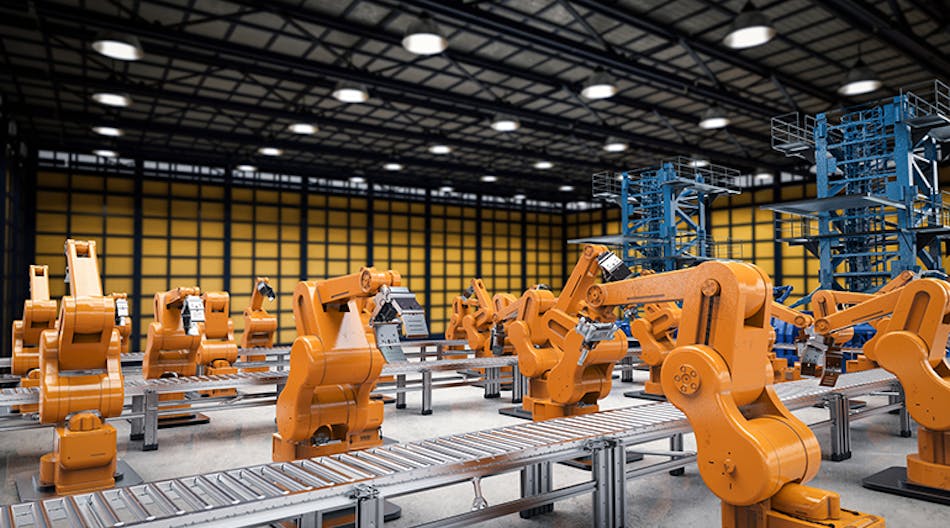
CNC machining is frequently used to create components for robotic arms, joints, and motion systems. Precision parts are essential to ensure smooth operation and movement, particularly in manufacturing environments where robots handle tasks such as assembly, welding, and material handling.
Automated Assembly Lines:
In industries like automotive manufacturing, CNC-machined parts are crucial for automated assembly lines. These parts include precision brackets, holders, and custom fixtures that ensure the correct positioning of components during the assembly process. High accuracy is critical to maintaining product quality and minimizing assembly errors.
Inspection and Testing Equipment:
Automated inspection systems rely on CNC-machined components for precise positioning, calibration, and handling. These parts are used in equipment that inspects, measures, and tests product quality, ensuring that manufactured goods meet strict industry standards. CNC processing ensures that these systems are both reliable and accurate.
Packaging Equipment:
CNC processing is also applied in creating parts for automated packaging machinery, such as precision gears, rollers, and guiding rails. These components are essential for the smooth movement and handling of products, ensuring that the packaging process is efficient and error-free.
Customized Automation Solutions:
CNC machining offers flexibility in creating custom automation solutions tailored to specific industries. This includes specialized fixtures, tooling, and modular components for different types of production lines, such as those in the medical, electronics, or aerospace industries.
If you have any questions please email me.
Customers are often concerned about the precision of CNC machining, especially when dealing with high-precision applications such as aerospace or medical devices. CNC machines are capable of extremely tight tolerances, often within microns, ensuring that each part meets exact specifications.
Lead times depend on the complexity of the part and the volume being produced. While CNC machining can significantly speed up production, design complexity, material selection, and tool changes can impact processing time. Customers often inquire about delivery schedules to align with their production needs.
CNC machines can handle a wide range of materials, including metals (aluminum, steel, titanium), plastics, and composites. Customers frequently ask which material is best suited for their application based on factors like strength, durability, and environmental resistance.
Cost is a common concern for customers, particularly those who require custom or small-batch production runs. Pricing factors include material costs, design complexity, machine setup, and the quantity of parts needed. CNC machining is generally more cost-effective for high-precision, complex components.
Quality assurance is critical, especially in industries like aerospace, automotive, and medical devices. Customers often ask about inspection processes, such as whether the manufacturer uses advanced quality control methods like Coordinate Measuring Machines (CMM), optical inspections, or in-line testing to verify that all parts meet stringent quality standards.