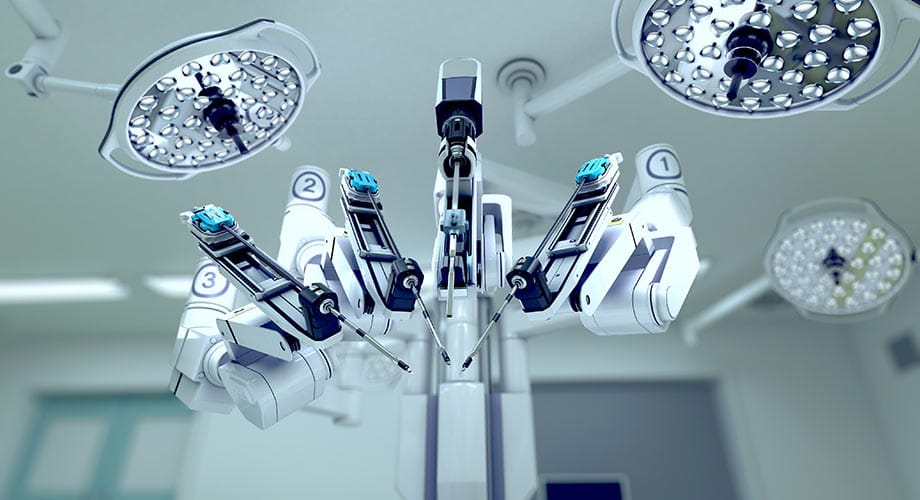
CNC (Computer Numerical Control) automated parts processing has become an indispensable technology in the medical device industry. The precision, reliability, and customization that CNC machining offers are essential for producing high-quality medical equipment and devices that meet stringent regulatory standards. From surgical instruments to implants and diagnostic equipment, CNC machining plays a crucial role in ensuring the accuracy and safety of medical components.
Surgical Instruments:
CNC machining is widely used in the production of precision surgical instruments, such as scalpels, forceps, and clamps. The high level of accuracy ensures that these instruments meet the strict dimensional and functional requirements necessary for medical procedures.
Implants and Prosthetics:
CNC machining allows for the production of custom-designed implants (e.g., hip, knee, and spinal implants) and prosthetics that are tailored to individual patients. The ability to machine biocompatible materials such as titanium and stainless steel makes CNC an ideal solution for these life-critical applications.
Diagnostic and Imaging Equipment:
CNC-machined parts are used in complex diagnostic machines, such as MRI scanners, X-ray machines, and ultrasound equipment. These parts require precise alignment and high-quality surface finishes to ensure accurate imaging and diagnostic results.
Medical Device Housings and Enclosures:
CNC is also employed in creating enclosures for medical devices, such as portable diagnostic tools, monitoring devices, and ventilators. These housings need to be durable, lightweight, and precisely designed to protect sensitive internal components.
Dental Devices and Orthodontics:
CNC machining is used to manufacture precision dental implants, braces, and other orthodontic devices. These custom-made devices are designed to fit the patient perfectly, ensuring comfort and effectiveness.
High Precision and Accuracy:
CNC machining provides the level of precision needed for the medical field, where even the smallest deviations can affect the performance and safety of medical devices. CNC machines can work with tight tolerances, ensuring consistency across production runs.
Customization for Patient-Specific Solutions:
CNC technology enables the production of custom medical devices tailored to individual patient anatomy, particularly in the case of implants and prosthetics. This level of customization is crucial for ensuring a proper fit and optimal patient outcomes.
Material Versatility:
CNC machines can work with a wide range of biocompatible materials, including medical-grade stainless steel, titanium, and high-performance polymers such as PEEK. This versatility is important for meeting the specific material requirements of different medical applications.
Regulatory Compliance:
CNC processes can be controlled and documented to meet the strict regulatory standards of the medical industry, such as ISO 13485 and FDA guidelines. This ensures that all parts are traceable and meet the necessary quality standards for medical use.
Rapid Prototyping and Production:
CNC machining supports both rapid prototyping and full-scale production. This allows medical device manufacturers to quickly move from concept to market, reducing development timelines and allowing for faster innovation.
If you have any questions please email me.
CNC machining is capable of extremely tight tolerances, often within microns, making it ideal for high-precision medical devices such as implants, surgical tools, and diagnostic equipment. This ensures that all parts meet the exact specifications required for medical applications.
CNC machining can work with a variety of biocompatible materials commonly used in medical devices, including titanium, stainless steel, medical-grade plastics (e.g., PEEK), and other alloys. These materials must be corrosion-resistant, durable, and safe for use in the human body or medical environments.
CNC processes can be controlled to meet strict medical industry regulations, such as ISO 13485 and FDA guidelines. Manufacturers follow rigorous quality control procedures, including in-process inspections and documentation, to ensure every part meets regulatory standards for safety and performance.
Medical device parts often require high-quality surface finishes to ensure smoothness and prevent contamination. CNC-machined parts are typically finished with processes like polishing, deburring, and passivation to achieve the desired cleanliness, hygiene, and aesthetic appearance.
Yes, CNC machining is highly adaptable and allows for the production of custom, patient-specific parts such as implants and prosthetics. By using precise digital models, CNC machines can produce tailored components that meet the exact anatomical and functional needs of individual patients.